


Having a strong social media presence in 2026 is not just about posting content on social media channels; it is about building a community. When done right, social media community building helps create real B2B connections, gain trust, and achieve long-term client engagement. Knowing how to build a community on social media helps B2B businesses grow alongside their audience. In this article, we are going to discuss what a social media community is, why building a community is important, the different types of communities, and practical ways to build and grow one successfully.
What is a Community on Social Media?
The term “social media community” refers to a group of individuals who communicate with one another via social media platforms such as Facebook, Instagram, etc., while sharing the same goals, interests, or beliefs.
Communities can be established on various platforms such as LinkedIn, X (Twitter), and others. These platforms provide members with a space to share their work, participate in discussions, support one another, and build connections.
Every social media platform has features that help with the creation and maintenance of communities. Social media management strategies for community management involve a cross-network approach that a B2B company uses to manage conversations with brand ambassadors.
There are many types of communities, and not all are designed to be the same. It is crucial to tailor your strategies according to where your audience is in order to achieve the most effective results.
Why is Building a Community Important?
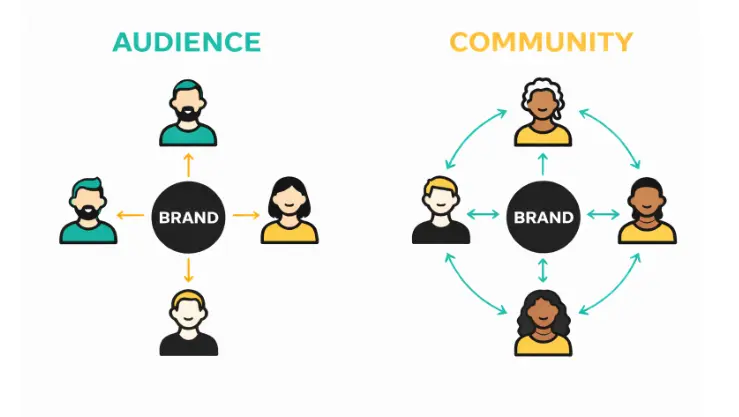
A vibrant online community gives more than just likes and comments. It’s a place in which users feel a sense of belonging to the B2B business you represent. This sense of belonging enhances engagement and encourages clients to become supporters of your business.
It is Important to Have a Community Because:
- Community engagement increases: Communities encourage participation and active involvement, which leads to higher levels of interaction.
- The client’s retention rate: People who feel part of a bigger community will be less inclined to switch to competitors.
- Organic Advocacy: Those who feel like they belong to a community often talk about positive experiences, and act as brand ambassadors.
- Insightful insight: Engaged followers provide insight and feedback that helps B2B businesses to improve the quality of their products and services.
Communities provide you with the ability to connect directly with your clients. It also allows you to get immediate feedback. This helps inform the development of marketing strategies as well as improve customer service.
Take a look at your clients, are they discussing real-world problems that your products and services address? This could be the basis for an advertising campaign on social networks in the future.
Download Our FREE Social Media Strategy Template Here →
Word-of-Mouth Marketing
If you sell products or services linked to your personal brand or want to increase your following, building a strong online community becomes a key part of your social media plan.
Learning how to build a community on social media helps you create a space where people feel connected and loyal.
Creating a committed group of social media users is similar to building brand ambassadors. People who feel connected to your brand are more likely to engage with your content, share it, and eventually purchase or recommend your products or services. In simple terms: stronger reach, higher retention, and increased sales.
Access to Feedback Immediately
A core group of clients who can easily share input or feedback can be extremely valuable, whether you want to improve your service offering or simply gain a clearer understanding of what your most enthusiastic followers would like to see more of.
In many cases, brands that understand how to build a community on social media receive stronger, faster, and more honest responses because people feel comfortable sharing their opinions.
Content Created by Communities
Similar to user-generated content (UGC) used in the marketing industry, this type of content appears in many different forms and sizes.
It may involve collecting ideas from your users to guide your content development, creating content together, or using your platform to elevate the quality of their work—always with their permission, of course. Effective social media community building allows people to contribute naturally because they feel involved and valued.
Whichever option you choose, it reduces pressure on brands and creators who rely solely on themselves to keep up with constant content demands. When a strong community becomes part of your process, it supports you and strengthens your presence across community building social media spaces.
It Improves “Stickiness”
People join communities for the value they expect to receive, usually information or content they believe they need.
However, they stay not only for that value but for the relationships they form with other members. These human connections are what truly create long-term retention.
It’s what we build towards as professionals. If people become invested in others within the space, they are far more likely to stay.
Different Types of Social Media Communities
Based on the purpose they serve, social media communities can differ from one another.
When learning how to build a community on social media, it helps to understand the various types that exist. Here are some of the most common forms of social networks:
Brand Communities
Brand communities are built around a specific brand or product. They are designed to attract clients, strengthen loyalty, and provide ongoing support.
These communities often act as customer service channels, allowing members to easily receive assistance or guidance directly from the brand. Strong social media community building helps clients feel valued and connected.
Interest-Based Communities
Interest-based communities focus on specific topics such as fitness, beauty, cooking, or travel. Members share knowledge, tips, advice, and resources that relate to their interests.
You can find thousands of interest-driven communities across social media apps, showing how powerful community building social media can be when people gather around a shared passion.
Support Communities
Many companies now run dedicated support communities so clients can contact them through social media instead of traditional helpdesks.
These groups provide faster communication and a more relaxed environment. For example, Ryanair runs the “Ask Ryanair” page on X (Twitter), which focuses on offering customer support through social media conversations.
Professional Communities
These communities are aimed at people working in specific professions or industries. Members share industry updates, job opportunities, professional advice, and development resources. LinkedIn, in particular, hosts a wide range of professional networks where people learn, connect, and grow together.
Geographic Communities
Although social communities exist online, many of them are based on geographical locations such as cities or neighbourhoods.
Members share information, updates, and resources related to their area, including local businesses, events, and community activities. These groups help people stay connected to what is happening around them while still benefiting from the wider reach of social media platforms.
Tick Social Media Off Your To-Do List From £100/Month →
Tips to Build a Community on Social Media
Understanding how to build a community on social media starts with having a clear plan. These tips will then help strengthen your approach and support long-term engagement.
✅ Define Clear Community Goals
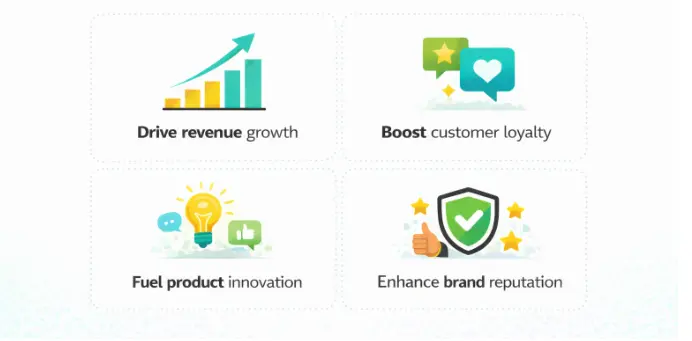
A successful community development strategy begins with establishing specific goals that align with your wider marketing strategy. Your goals might include:
- Revenue Growth: Build a community of brand advocates who generate referral sales.
- Cost Reduction: Develop self-service communities that help reduce customer service issues.
- Product Innovation: Collect actionable improvement ideas through community feedback.
- Brand Protection: Encourage users to share positive reviews and supportive content.
Each goal requires measurable indicators to track progress. For advocacy initiatives, monitor referral sources and conversion rates from community members.
For support communities, track resolution time and reduced ticket volume compared to your baseline performance. These steps are central to strong social media community building.
✅ Be Authentic
Communities grow through relationships, and trust is the foundation of every relationship. It’s really hard to build trust, and it’s really easy to lose it. Transparency and authenticity help create trust and make it easier to build relationships faster.
Speaking one’s truth is a powerful connector, and it allows the community to feel part of something bigger.
✅ Figure Out Your Audience
A detailed analysis of your customer personas helps you identify the audience you want to reach. This is essential for improving your services and understanding what potential clients expect. Social media offers an open platform with countless opportunities to expand your reach, which is why knowing your audience is one of the most important parts of how to build a community on social media.
Create a list of your audience groups and take measurable steps to reach them. Use strategies that attract attention on social media platforms and encourage users to engage with your pages. Make sure you set a realistic budget based on your goals so you understand the costs involved in growing your community.
In addition, conduct thorough research to define your target audience clearly. Once you understand them, outline ways to create content that matches their preferences. This not only makes them feel valued but also plays a significant role in building a stronger connection with you.
The better you understand your audience, the stronger your engagement rate will be. Although audience understanding is just the first step in social media community building, it is also one of the most important. What could be more valuable than listening to your followers to learn how they feel about your business?
You do not need to speak to every person individually. The good news is that you can observe the conversations happening about you or about topics connected to your industry. This leads to the next step.
✅ Encourage Discussion
Strong communities thrive on interaction. This means creating spaces where people feel comfortable engaging not only with you but also with one another.
Consider hosting live Q&As, running discussion threads, or even creating private groups for members to exchange ideas or get exclusive insights.
The more members feel they are part of a genuine conversation rather than just a marketing campaign, the stronger and more cohesive your community becomes. These are key principles in social media community building.
✅ Create Useful Content
The foundation of a successful community is genuine dialogue. Instead of simply broadcasting messages, produce content that encourages active participation, such as:
- Addressing unanswered questions about customer experiences
- Sharing behind-the-scenes content that humanises your brand
- Conducting surveys and polls that make members feel their opinions matter
- Running themed user-generated content challenges
- Hosting interactive Q&As with industry specialists or team members
The most successful brands demonstrate this strategy by responding to user feedback personally and fostering conversations between users with shared interests.
They often use customer feedback to improve their products, creating feedback loops that strengthen connections within the community. This approach exemplifies community building social media in action.
✅ Simple and Clear Formatting
LinkedIn pages are particularly effective social media tools when a simple, clear layout is required.
100 Pound Social’s LinkedIn profile is a strong example, avoiding flashy images and information overload. It focuses on an “Overview” section, including collapsible sections for those wanting more details.
✅ Use Hashtags for Your Community
Hashtags are more than a way to express thoughts; they act like signposts that guide your followers to your content. Using relevant hashtags can increase post reach and draw people who may be interested in your brand or the topics you discuss.
It is crucial to select hashtags appropriate to your brand and target audience.
Begin by observing which hashtags your competitors and similar brands use. Create branded hashtags to promote your brand and encourage members of your community to use them. Hashtags are a practical tool in how to build a community on social media and strengthen ongoing engagement.
✅ Offer Value
If you’re trying to build your social network, you have to provide something valuable. It could be sharing helpful details, starting interesting conversations or both. For example, if you run social media accounts for small businesses, you might provide tips and tricks to help others succeed in the industry, based on your own experiences.
You could also initiate discussions on topics such as “What Are Your Key Strategies to Succeed on Social Media for B2B Marketing?” and invite members to share their thoughts.
Providing real value increases your chances of attracting people who are genuinely interested in your message. As your network grows, you gain more opportunities to form meaningful connections and share your insights.
This approach is a key element in how to build a community on social media successfully.
✅ Engage Regularly
Social media platforms provide users with a variety of interactive tools to keep your users up to date all day long. Building your social media followers is dependent on regular interaction with the people who follow and are amazed by your work. Your followers on social media will be the most effective source of support if you respond to their inquiries.
Ignoring follower concerns, particularly negative feedback, can make members feel excluded or undervalued. Engaging with and responding to your audience strengthens their connection to your brand and often results in higher profits and lead generation.
In addition to replying to comments, you can encourage engagement by monitoring trends on social media and incorporating them into your content strategy. This ensures your posts remain relevant, shareable, and likely to spark conversation, an important aspect of social media community building.
✅ Use Relevant CTAs
The growth of your online audience depends on the actions you decide to use to reach your target group of users. When posting content on any platform, include appropriate calls to action (CTAs) in your posts.
These could link to your website, promote upcoming events, or direct users to your next social media post. Thoughtful CTAs help guide your audience and support ongoing community building social media efforts.
✅ Measure the Success of Your Community-Building Efforts
Monitoring metrics is vital to understanding the impact of your strategies:
- Engagement Rates: Track likes, shares, comments, and other interactions.
- Community Growth: Monitor follower numbers and the activity of group members.
- Sentiment Analysis: Assess the tone of conversations about your brand.
- Advocacy Impact: Examine how often community members recommend your brand to others.
Building a lively community on social media is not a one-time event. It requires consistent effort, authenticity, and engagement driven by value. By focusing on genuine relationships, brands can transform followers into repeat clients and advocates who share their message.
For digital marketing professionals, understanding how to build a community on social media is essential for long-term growth.
If you need guidance on participating in social media, choosing the best platforms for your company, or leveraging these channels to grow your business, expert digital marketing teams can help you maximise the benefits of your online presence.
The Future of Business Communities
In 2026, small businesses that will succeed will be those who focus on real relationships rather than transactions.
Communities are more than engagement indicators, they offer authenticity to the brand voice and genuine feedback to clients, retention, and the importance of culture that traditional marketing channels are not able to achieve.
The most successful strategies for building community consist of strategic planning as well as human connections. They use information to understand their members’ needs and preferences, as well as ensuring that real-time interactions ensure that the community feels special and valued.
Final Thoughts
In a time in which AI is being used more than ever, human interaction is now an important differentiator.
Communities form the basis of creating connections, increasing engagement, and growing clients’ loyalty.
When B2B business owners evaluate the strategic value of social media, they must realise that communities aren’t just about interactions. They’re about creating spaces in which B2B connections, knowledge, and advocacy are developed.
If it’s designed with attention to detail, using the appropriate platform, genuine involvement and a membership-first approach, a community can be an ongoing B2B business asset that can help in all aspects of development and retain clients.
Next Steps
- If you’re struggling to handle your social media, 100 Pound Social is your solution. With our extensive knowledge and proven expertise, our UK-based team offers cost-effective, high-quality social media content and management for all your marketing needs.
- Since 2017, we’ve helped over 1,000 business owners across diverse industries develop effective social media strategies that drive real client acquisition results.
- Want to see how it works? Join a 15-min demo of our social media plans and discover how to stay visible without doing it all yourself.